


Company Profile
Founded in May 2006. It is a high-tech enterprise focusing on R&D, manufacturing and sales of industrial, automation and vehicle core components. The current processed products cover automation FA, robots, servo motors, encoders, automobiles , medical, high-speed rail and other fields. Provide a complete set of products and services from the shaft, CASE shell, end cover, extruded shell, radiator, gear, including die-casting, extrusion, and a complete set of mold components. Provide a complete set of products and services from the shaft, CASE shell, end cover, extruded shell, radiator, gear, including die-casting, extrusion, and a complete set of mold components. Equipment, production, service advantages, high-quality management, quality assurance, etc.
Why Choose Us
Our factory
Our automation equipment capital increase and production expansion project is included in the major project library of Dongguan City in 2020. We are the teaching practice base and engineering technology research and development center of Dongguan Institute of Technology. We have 600 excellent employees, 500 advanced equipment, and a stable organizational structure.
Our product
Provide a complete set of products and services from the shaft, CASE shell, end cover, extruded shell, radiator, gear, including die-casting, extrusion, and a complete set of mold components.
Production equipment
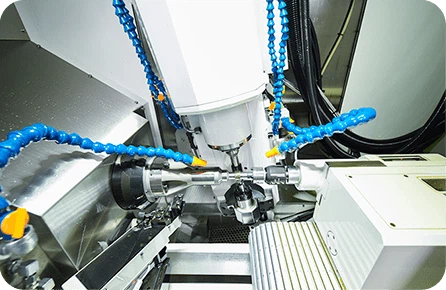
We have three independent production workshops with more than 500 sets of production equipment from Germany, Japan, Italy, Switzerland, South Korea and other countries. Including special workshops for die-casting parts (16 die-casting machines from 160-1250T, 180 CNCs), special workshops for cutting parts production (160 CNCs), and special workshops for shell production (160 CNCs).
Our service
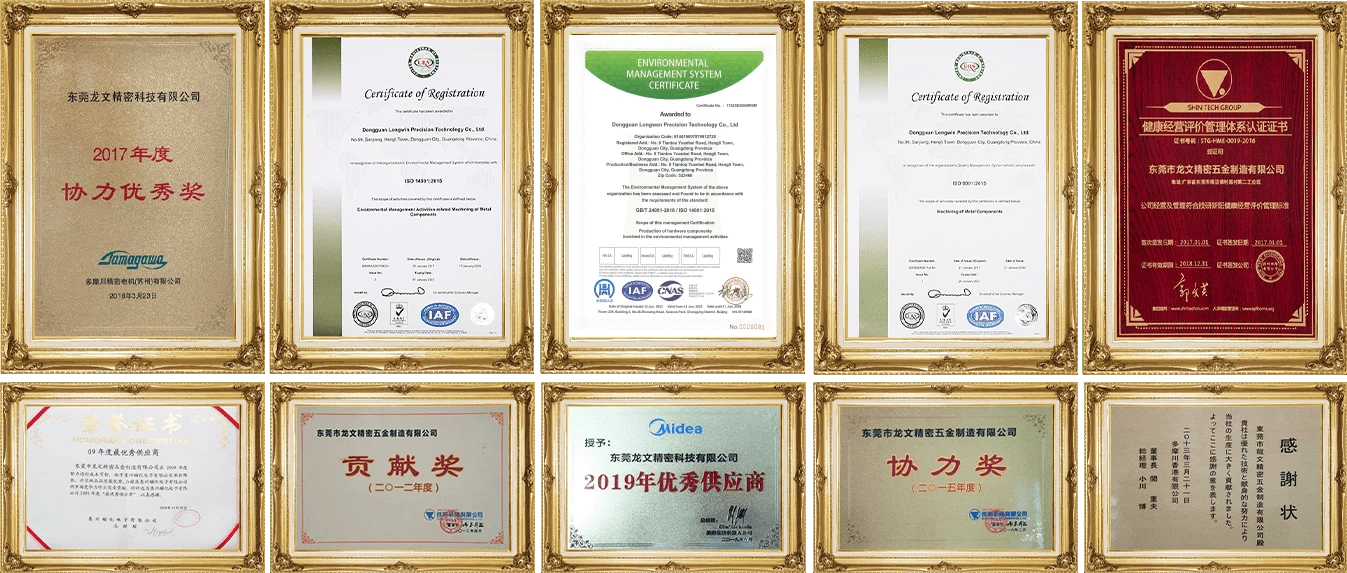
Strict quality management system and perfect after-sales service system, so as to provide you with efficient and high-quality products and services.

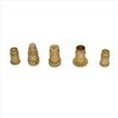
Processing of precision brass turned parts with meticulous attention to detail For more than 16 years, we have been processing precision brass turned parts. Since the beginning of our establishment, we have emphasized producing high-quality parts rather than luring people in at low prices.

What are the production processes of copper machining services? Nowadays, in the field of copper processing industry, there are CNC machining centers, CNC lathe processing, precision grinding machine processing and other processing equipment.

Discussion about stainless steel CNC service machining techniques The following factors of processing stainless steel are challenging: 1. A cutting force and temperature that are both high The cutting force is strong due to the material's high strength, high tangential stress, and high plastic.

Are you looking for a quicker, more affordable, and more effective solution to produce your precise components? Consider our CNC machining! Our CNC machine shop are the best option for high-volume production needs since they can quickly and accurately handle complicated geometries and angles. With the help of our expertise, you may save production costs, produce goods more quickly and with more reliability, and maintain your competitive edge. If you want to custom precision machining, to learn more about our CNC machining components, contact us right away!

A gear is a mechanical device that transmits motion and power by having teeth on the rim that may constantly mesh. Great precision, a wide range of applications, high efficiency, a long life, and other advantages come with gear transmission. Custom transmission gears are widely used in gearbox, machinery, automotive, electronics, textiles, printing, packaging, medical equipment, food processing, wind power, chemical, pneumatics and other fields.

Material: ADC12 or Customized.
Place of Origin: Guangdong Province, China
Technical Process: Die casting machine (LIKEN &TOYO & UBE-Japan), CNC machining center (brother-Japan).
Packing: Carton, pallet, blister box

A gear is a mechanical component having teeth on the rim that may continuously mesh to transmit motion and power. The benefits of gear transmission include high accuracy, a wide variety of applications, high efficiency, long life, and so on.

The braking disc is a common thin-walled disc element. The processing contents mostly consist of turning and drilling procedures. The problem in processing is ensuring the completed product's size and form correctness.

A robot is a man-made mechanical device that can do activities autonomously and is used to replace or aid human labor. The robot's key components include electronic components, hardware parts, and plastic parts.
What Is CNC Aerospace Machining
Aerospace machining methods are used in the aerospace field due to the complicated features of aeroplanes and helicopters, which move in the atmosphere and are subject to high pressure and many unfavourable factors. Cutting, milling, and drilling of materials require creating reliable, efficient, and safe parts. The aerospace industry is one of the most sophisticated industries. Aerospace machining requires high precision, with no errors, and parts are machined following design specifications. Precision cnc machining ensures that the parts function correctly without causing functional issues. Because any flaws will lead to severe consequences such as higher costs and damaged parts, any issue in design will lead to the loss of a significant amount of money.
Advantages of CNC Aerospace Machining
Lightweight Components
Weight is an essential factor in designing aerospace parts. CNC machining can create thin-walled structures and parts from solid yet lightweight materials to meet the requirements of aviation and the air defence industry. It helps develop complex structures and surfaces using tiny nooks and crannies toolpaths. It takes longer to make than more superficial, more significant cuts on flat surfaces.
Minimum Part Error
If you are making aerospace CNC parts with the traditional machining methods, they are more vulnerable to defects. However, with precision CNC machining, the chances of error are extremely low because the high-precision aerospace CNC machining process ensures aerospace parts comply.
Strict standards for dimensions
Performance, ensuring high performance while preventing component damage. High precision is one of the most critical factors in machining aerospace parts. Since these parts have complex geometries, machining them from different angles requires high precision. Similarly, tight tolerances will enable them to perform effectively. Using CNC machining in the aerospace industry ensures the production of parts that fit aircraft components precisely. Hence, it prevents part failure during assembly and operation.
Consistency and Efficiency
Due to higher precision rates and tight tolerances, aerospace parts rely heavily on precision machining. Similarly, there is less material wastage and higher production rates. Furthermore, it helps in perfect part design, incorporating the appropriate dimensions for inside corner radius and cuttable holes, significantly reducing machining time.
Reduced Machining Cost & Quick Production
Precision combined with fast production saves costs per part, saving money on wasted materials, rework errors, and labour. Improved production rates also increase profits.
Materials Used In CNC Aerospace Machining
In CNC machining, here is a long list of materials and alloys for parts manufacturing. Similarly in aerospace CNC machining, we need high-resistant and strong materials which can withstand harsh conditions.
Aluminum Alloys
Aluminium alloys are one of the most common alloys used in aerospace machining because they give an excellent balance: Meanwhile, these have a fair tensile strength, meaning they can resist considerable stretching forces without failing. It is critical for structural parts like airframe and wing ribs. On the other hand, aluminium is lighter compared to materials such as steel. Hence, this leads to lesser fuel consumption, improved aircraft efficiency, and an eco-friendly perspective of today's aerospace industry.
Titanium Alloys
Aerospace is the field that uses titanium alloys the most globally. The metal performs well at high temperatures, resists corrosion, and has a good strength-to-weight ratio. The use of titanium in aerospace manufacturing has become widespread. Titanium alloys are particularly preferred for heavy-duty applications such as:These parts encounter considerable stress during take-off and landing, and the strength of titanium guarantees they can withstand the load with little increase in weight. Titanium alloys survive the high temperatures and stresses of jet engines, thus aiding their efficient operation.
Nickel Alloys
Jet engines operate in scorching heat, which requires high-resistant materials. Therefore, nickel alloys are extremely capable of high-temperature resistance and strength. Nickel Alloys are used for different engine components. These blades rotate at very high speeds in an engine's hot section. By resisting such severe temperatures, nickel alloys will ensure that they remain strong enough to accomplish their mission without losing their shape; hence, they make engines work well.
Stainless Steel
Stainless steel, unlike aluminum or titanium, is heavier but more durable. This is why it is the only suitable material to use in certain applications. These systems operate under high pressure and therefore must be made of materials that do not wear out with time. Stainless steel can withstand extreme pressure.
Applications of CNC Aerospace Machining
CNC machining is used to produce numerous aerospace parts and components. Just some of them include:


Engine components
CNC machining is used extensively in the production of critical engine parts for aerospace, such as turbine and compressor blades, fan discs, fuel nozzles, engine casings and combustion chambers. CNC machining allows for complex geometries, intricate cooling channels and high-temperature materials necessary for efficient and reliable engine performance.
Structural components
CNC machining plays a crucial role in manufacturing structural parts like aircraft frames, wing spars, bulkheads, brackets and landing gear components. These components demand exceptional precision and strength, high-quality surface finishes and proper alignment to withstand the extreme stresses of flight. Composite structures are increasingly being used in aircraft structures to reduce weight and improve fuel efficiency. CNC machines equipped with specialized cutting tools and processes can shape, trim and finish components made from composites like carbon fiber and glass-reinforced epoxy.
Avionics and electrical components
CNC machining is commonly used to manufacture various electronics components used in aircraft systems such as control panels, connectors, sensor housing and instrument cluster components. These parts demand precise machining to ensure proper functionality, electrical connectivity and component integration.The technology is also used to produce enclosures for avionics systems – the electronic, instrumentation and navigation systems used in aircraft. These systems are crucial for accurate data collection, control and communication in aircraft systems. Avionics enclosures require precise cutouts, holes and mounts to accommodate various components and ensure electromagnetic shielding.
Interior and exterior trim
CNC machining is employed to manufacture interior and exterior trim parts, including cabin panels, seating structures, winglets, fairings, airframe assemblies, emblems and decorative accents. CNC machining enables the creation of intricate designs, precise cutouts, and fine details that enhance the aesthetics and functionality of a vehicle's interior and exterior, while also being lightweight.
Prototyping
Prototyping allows engineers and designers to create functional models of aerospace parts and assemblies, enabling them to evaluate the design, fit and functionality before proceeding to full-scale production. CNC machining enables the rapid production of intricate and precise prototypes that closely resemble the final components.
Maintenance, repair and overhaul
CNC machining is used extensively in the sector of the aerospace industry. It is employed for the repair and refurbishment of numerous components, such as engine parts, landing gear components, and structural elements. CNC machines allow for accurate re-machining and re-conditioning of worn or damaged parts, ensuring their continued safe and reliable operation.
Machining Processes For CNC Aerospace Machining
The aerospace industry has a high demand for parts with extreme precision, so aerospace precision machining is needed. The reason is that most parts have complex designs and geometries. There are various CNC machine types, but for high precision, the aerospace industry employs two major CNC machine operations.
Precision CNC Milling
This is a multi-axis machining process that involves the use of a milling machine to produce parts. The machine used for this production moves along the convention X, Y, and Z linear axes and A and B rotational axes, consequently allowing the creation of intricate shapes and geometries. While it is possible to use a 3 or 4-axis CNC milling machine when machining aerospace parts, it is better to use 5-axis CNC milling as they can work on up to 5 directions of the workpiece in a single operation. This helps manufacturers reduce errors and lead time. Also, the cutting tools used in 5-axis CNC machines spin at high speeds, ensuring part accuracy and precision. CNC milling facilitates the precision production of aerospace parts such as landing gear, electrical components, and transmissions.
Precision CNC Turning
This procedure, also known as subtractive machining, involves removing material to generate the desired shape. The precision turning production process holds material bars in a wedge shape and rotates. This process continues until the material attains the desired shape. CNC precision turning is a detailed and intricate process for creating aerospace parts with cylindrical shapes. It is also important to note that this process is highly precise, as the computer controls the speed and position of the tool and material used. CNC precision turning produces aerospace parts such as screws, nuts, threads, connector pins, fasteners, and shafts.
Finishing And Coating of CNC Aerospace Machining
Even though there are several surface finishing options for CNC parts, not all surface finishes are suitable for the purpose. Aerospace manufacturers utilize four major types of surface finishing and coating. These include:
Passivation
Passivation is a widely used finishing technique that enhances aerospace CNC machined parts' aesthetics, durability, and functionality. Most aerospace parts often contain impurities or micro-roughness after machining operations, which may hinder the part's performance in the long run. However, you can avoid any complications with passivation. It helps maintain aircraft parts' chemical resistance and reduces maintenance needs.
Anodizing
Anodizing finish involves submerging aerospace parts in an electrolyte solution, creating an even oxide layer on the component's surface. For instance, aluminum anodizing provides components that have a surface finish that prevents them from corrosion. Besides, two types of anodized finish are used on aerospace parts: type II and type III. Type II anodizing creates a thin and decorative layer on a part's surface. This slim protective layer, however, leaves the product vulnerable to abrasion and corrosion. Conversely, the type III anodizing method provides a hard protective layer on the part's surface.
Polishing
Polishing is an ideal and straightforward finishing technique for enhancing the surface of CNC aerospace parts. This surface treatment involves using an abrasive to smoothen the rough and coarse surface of the aerospace part till it is smooth and attractive. Moreover, polishing effectively enhances the durability of aerospace machined parts by reducing the risks of cracking or chipping. However, polishing aerospace parts can take longer and increase CNC machining costs.
Powder Coating
This is another commonly used surface finish for metal aerospace components. Its longevity and functional diversity make it a widely embraced technique for finishing CNC machining aerospace parts. Powder-coated CNC parts resist scratches and do not fade quickly over time. Besides, this finishing option offers aerospace parts manufacturers an extensive range of colors for improved aesthetics and flexibility.

Technology is continuing to evolve and innovate at an incredibly rapid pace. Manufacturers have to stay on top of these trends to compete. Several vital trends will likely drive the future of CNC machining in the aerospace industry:
Additive manufacturing
Integrating additive manufacturing (3D printing) with traditional CNC machining will enable the production of complex parts with unique geometries that were previously impossible or too costly to manufacture.
Smart manufacturing
The adoption of Industry 4.0 technologies, such as IoT devices, will allow for real-time monitoring, data collection, and analysis in CNC machining processes. This will enable manufacturers to optimize operations, improve quality control, and reduce waste.
Digital Twins
Creating a digital replica of a physical CNC machine to analyze and optimize its performance is another technology gaining traction. This process can facilitate more efficient machine setups, preventive maintenance, and remote troubleshooting.
These trends will continue to shape the evolution of CNC machining in the aerospace industry, driving innovation and efficiency in the future.
Founded in May 2006. It is a high-tech enterprise focusing on R&D, manufacturing and sales of industrial, automation and vehicle core components. The current processed products cover automation FA, robots, servo motors, encoders, automobiles , medical, high-speed rail and other fields. Provide a complete set of products and services from the shaft, CASE shell, end cover, extruded shell, radiator, gear, including die-casting, extrusion, and a complete set of mold components. Provide a complete set of products and services from the shaft, CASE shell, end cover, extruded shell, radiator, gear, including die-casting, extrusion, and a complete set of mold components. Equipment, production, service advantages, high-quality management, quality assurance, etc. Our automation equipment capital increase and production expansion project is included in the major project library of Dongguan City in 2020. We are the teaching practice base and engineering technology research and development center of Dongguan Institute of Technology. We have 600 excellent employees, 500 advanced equipment, and a stable organizational structure , Strict quality management system and perfect after-sales service system, so as to provide you with efficient and high-quality products and services.


Certificates
FAQ
Hot Tags: cnc aerospace machining, China cnc aerospace machining manufacturers, suppliers, factory, electrical components of cnc machine, rack and pinion cnc parts, precision medical components, diy cnc clamps, precision parts processing, cnc precision machined components


