


Company Profile
Founded in May 2006. It is a high-tech enterprise focusing on R&D, manufacturing and sales of industrial, automation and vehicle core components. The current processed products cover automation FA, robots, servo motors, encoders, automobiles , medical, high-speed rail and other fields. Provide a complete set of products and services from the shaft, CASE shell, end cover, extruded shell, radiator, gear, including die-casting, extrusion, and a complete set of mold components. Provide a complete set of products and services from the shaft, CASE shell, end cover, extruded shell, radiator, gear, including die-casting, extrusion, and a complete set of mold components. Equipment, production, service advantages, high-quality management, quality assurance, etc.
Why Choose Us
Our factory
Our automation equipment capital increase and production expansion project is included in the major project library of Dongguan City in 2020. We are the teaching practice base and engineering technology research and development center of Dongguan Institute of Technology. We have 600 excellent employees, 500 advanced equipment, and a stable organizational structure.
Our product
Provide a complete set of products and services from the shaft, CASE shell, end cover, extruded shell, radiator, gear, including die-casting, extrusion, and a complete set of mold components.
Production equipment
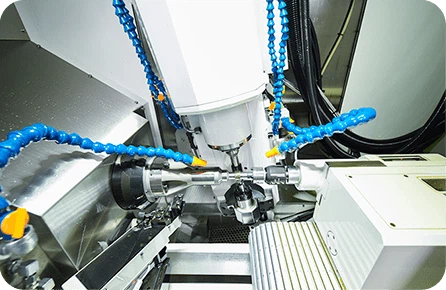
We have three independent production workshops with more than 500 sets of production equipment from Germany, Japan, Italy, Switzerland, South Korea and other countries. Including special workshops for die-casting parts (16 die-casting machines from 160-1250T, 180 CNCs), special workshops for cutting parts production (160 CNCs), and special workshops for shell production (160 CNCs).
Our service
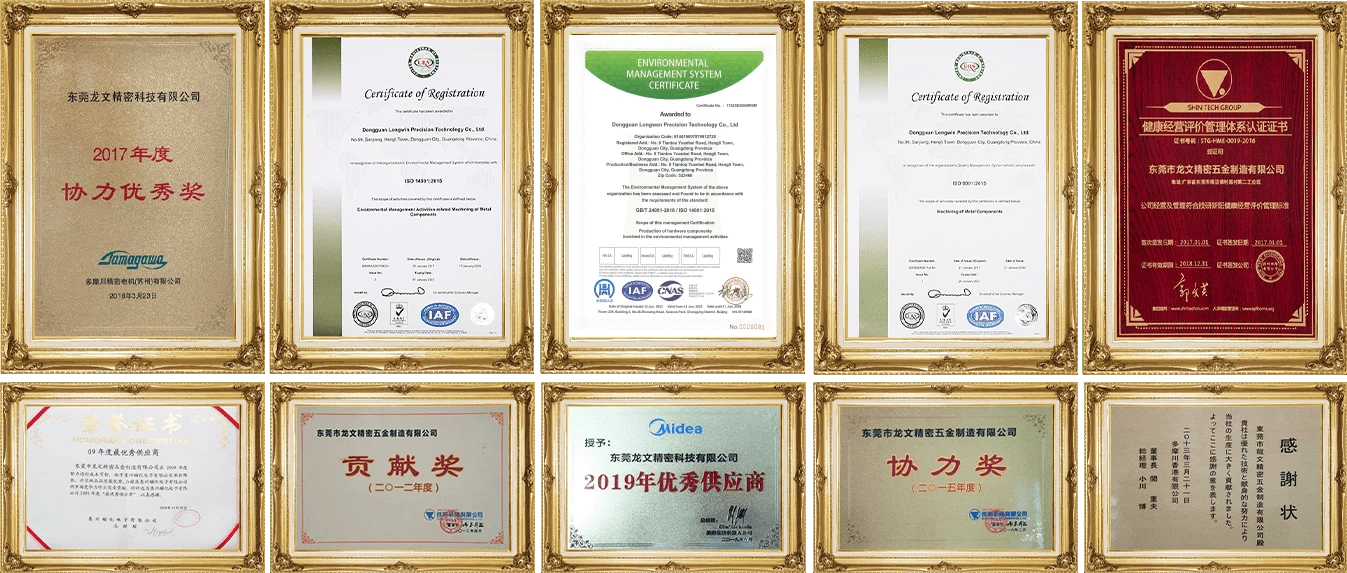
Strict quality management system and perfect after-sales service system, so as to provide you with efficient and high-quality products and services.

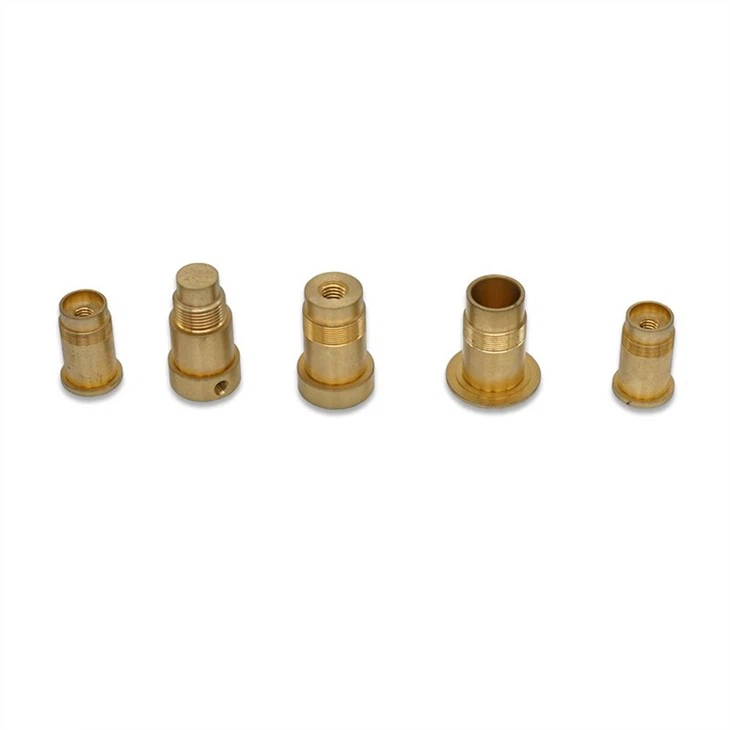
Processing of precision brass turned parts with meticulous attention to detail For more than 16 years, we have been processing precision brass turned parts. Since the beginning of our establishment, we have emphasized producing high-quality parts rather than luring people in at low prices.

With the help of our production process skills, Longwin Precision can provide CNC aerospace machining parts that need specialized manufacturing solutions, including the advantages of lower cost and weight. To offer accurate accuracy of your complicated designs and rapid turnaround, our CNC machining center is equipped with a variety of in-house machining technologies, including 3-axis milling, 4-axis milling, 5-axis milling, multi-axis milling and turning, Swiss turning, and wire and plunge-cut EDM. These procedures may readily be integrated with our precise CNC aerospace machining skills to offer solutions that assist in lowering lead times and improving cost and weight.

A gear is a mechanical component having teeth on the rim that may continuously mesh to transmit motion and power. The benefits of gear transmission include high accuracy, a wide variety of applications, high efficiency, long life, and so on.

Discussion about stainless steel CNC service machining techniques The following factors of processing stainless steel are challenging: 1. A cutting force and temperature that are both high The cutting force is strong due to the material's high strength, high tangential stress, and high plastic.

Are you looking for a quicker, more affordable, and more effective solution to produce your precise components? Consider our CNC machining! Our CNC machine shop are the best option for high-volume production needs since they can quickly and accurately handle complicated geometries and angles. With the help of our expertise, you may save production costs, produce goods more quickly and with more reliability, and maintain your competitive edge. If you want to custom precision machining, to learn more about our CNC machining components, contact us right away!

Material: ADC12 or Customized.
Place of Origin: Guangdong Province, China
Technical Process: Die casting machine (LIKEN &TOYO & UBE-Japan), CNC machining center (brother-Japan).
Packing: Carton, pallet, blister box

A gear is a mechanical device that transmits motion and power by having teeth on the rim that may constantly mesh. Great precision, a wide range of applications, high efficiency, a long life, and other advantages come with gear transmission. Custom transmission gears are widely used in gearbox, machinery, automotive, electronics, textiles, printing, packaging, medical equipment, food processing, wind power, chemical, pneumatics and other fields.

The braking disc is a common thin-walled disc element. The processing contents mostly consist of turning and drilling procedures. The problem in processing is ensuring the completed product's size and form correctness.

A robot is a man-made mechanical device that can do activities autonomously and is used to replace or aid human labor. The robot's key components include electronic components, hardware parts, and plastic parts.
What Is Copper Machining Services
Copper is a multipurpose metal and one of the oldest metals commonly used in modern mechanical engineering-engineers utilize copper materials due to its exceptional characteristics. Most especially, copper and its alloys are valuable for different applications due to their remarkable thermal and electrical conductivity and excellent corrosion resistance. Copper CNC machining is one of the most resourceful and precise metal machining processes industries use to create copper parts. This specialized precision machining provides high precision, compatibility, and accuracy in handling various parts' high demands. However, it is essential to examine the factors associated with copper parts machining to determine the ideal one for your copper machining projects.
Advantages of Copper Machining Services
High precision and complexity
CNC machining uses advanced numerical control systems, which can achieve micron-level precision control of copper materials. Whether it is complex curved surfaces, fine holes or tiny grooves, they can be achieved through precise programming and precise execution of machine tools. This high-precision processing capability provides a strong guarantee for the application of copper materials in precision instruments, electronic products and other fields.
High efficiency
Compared with traditional manual or semi-automatic processing methods, CNC processing realizes automatic control of the entire process. Once the program is set, the machine tool can perform processing operations continuously without manual intervention. This highly efficient production model not only shortens the production cycle, but also reduces labor intensity and improves overall production efficiency.
High material utilization
CNC machining uses precise programming and path planning technology to minimize material waste. During the machining process, the machine tool can accurately cut according to the preset path to ensure that every piece of copper can be fully utilized, which can reduce production costs.
Various Grades Of Copper Machining Services


Copper materials are one of the main categories of commercial metals. Besides, there are various grades of copper materials available for CNC machining. However, these copper grades possess varying properties and compositions, making them suitable for specific machining projects. Consequently, choosing the ideal material for your project may be challenging since you must consider different factors. The first step in copper CNC machining is to identify the material with the required properties for your copper machined parts. This section discusses the various grades of copper for CNC machining:
Pure Copper
These are typically soft and malleable copper materials. You can add different alloying elements in small volumes to form the dilute grade of pure copper. The alloying modifies one or more primary properties of pure copper to preferred forms. Besides, you can add other alloying elements to the pure copper grade to enhance their toughness. You'll find 0.7% total impurities in the composition of commercially pure copper grades. They have UNS designation numbers C10100 to C13000, depending on the elements added and impurity level. However, pure copper is perfect for creating electrical components like wiring and motors. This grade of copper is also applicable in industrial machining for manufacturing heat exchangers.
Electrolytic Copper
Electrolytic copper materials are originally from cathode copper. As such, cathode copper is a copper with 99.95% purity, processed through electrolysis. Usually, the electrolysis process involves putting copper compounds into a solution and applying sufficient electricity to purify the copper material. Consequently, most electrolytic copper materials have lower impurities than other copper grades. The most common electrolytic copper material is the C11000. It comprises less than 50 parts per million metallic impurities such as sulfur. Besides, they possess about 100% IACS (International Annealed Copper Standard) and high electrical conductivity. However, electrolytic copper grades exhibit remarkable ductility, making them perfect for electrical applications such as busbars, windings, wires, and cables.
Oxygen-Free Copper
This grade of copper has the highest purity, containing little to no oxygen content. Oxygen-free copper grades are suitable for electrical copper components due to their high conductivity. As such, the high electrical conductivity of these copper materials makes them ideal for high vacuum electronics. However, C10100 and C10200 are typical examples of this copper grade. C10100, or Oxygen-free electronic (OFE), is a pure copper containing about 0.0005% oxygen. Also, it is more expensive than other oxygen-free copper grades. C10200, or Oxygen-free (OF), contains 0.001% oxygen content. It offers high electrical conductivity with precisely 100% IACS an equivalent to electrolytic copper materials. Manufacturers use high-quality cathode copper to create oxygen-free copper materials through induction melting. This production process involves melting the cathode under non-oxidizing conditions created by graphite bath covering. Thus, it reduces the hydrogen content in the working environment.
Free-Machining Copper
Free-machining copper material contains different alloying elements. Typical alloying elements of this copper alloy include zinc, nickel, phosphorous, and tin. These elements further enhance this copper grade's machinability. Moreover, brass and bronze are copper alloys and are significant constituents of free-machining copper materials. Brass comprises zinc and copper, offering excellent workability and corrosion-resistant properties. On the other hand, bronze is an alloy containing tin, copper, and phosphorus with remarkable impact strength and hardness. Free machining coppers are well-suited for extensive copper parts machining range. These include gears, coins, automotive hydraulics, torches, machined electrical components, etc.
Applications of Copper Machining Services
Copper parts have good corrosion resistance and versatility and are commonly used in a broad of applications requiring high aesthetic effect and electrical conductivity.
Electronics
Copper is an excellent conductor of electricity and is widely used in the production of electronic components such as printed circuit boards, connectors, and switches. CNC machining copper can be used to fabricate precise and complex components for electronic devices.
Automotive
CNC machined copper parts are used in a variety of automotive applications, including brake pads, brake rotors, and other components that require high levels of heat dissipation.
Aerospace
Copper parts made from CNC machining are used in the aerospace industry for a variety of applications that require high levels of precision and accuracy, including electrical components, fuel systems, and hydraulic systems.
Medical
CNC machining is a common method used to fabricate precise and complex components for the production of a variety of medical devices, including orthopedic implants and surgical instruments.
Industrial
CNC machined copper has high levels of precision and accuracy useful for a variety of industrial applications, including plumbing, HVAC systems, and electrical systems.
What Are the Production Processes of Copper Machining Services
Nowadays, in the field of copper processing industry, there are CNC machining centers, CNC lathe processing, precision grinding machine processing and other processing equipment. Such a processing scale can be called a mechanical precision processing plant. It can process according to customers' drawings, samples, finished product inspection or material delivery, etc. It can provide processing technology requirements for automatic machinery, mobile communications, medical equipment and other spare parts. Different copper parts need to choose different CNC machining. The general CNC machining center mainly processes complex copper parts, and the special processing technology is divided into rough processing and finishing processing. The following is the precision machining process:
In the copper machining services factory, the production and processing process is firstly to determine the raw materials → indicate the processing cycle time of the engineering drawings → adopt an effective processing technology → rough process the parts according to the processing technology, and assign the finishing process → when processing parts in batches, QC quality work Sampling inspection of parts → quenching and tempering treatment after rough machining of spare parts → high-precision processing of parts after quenching and tempering treatment → QC inspects the processed parts for finished products to meet the qualification requirements→ parts are treated after metal surface treatment Sampling inspection, finally affixed with a qualified mark and packaged for delivery. If the number of processed parts is small or only a few, a full inspection is required.
Creating designs with copper-machined parts requires careful consideration of several key factors. Copper, known for its unique properties, should be used judiciously in designs due to its cost. Leveraging copper for its exceptional properties can be achieved by incorporating it strategically into your designs.
Choosing Copper For Specific Reasons
Having specific reasons is essential when opting for copper or copper alloy parts. Copper offers high corrosion resistance, excellent electrical and thermal conductivity, ease of soldering, high ductility, and machinability when alloyed. Incorporating copper into your design should align with maximizing these benefits.
Selecting The Appropriate Material Grade
During the design phase, selecting the right grade of copper is crucial for your application. Using pure copper (C101), with its 99.99% copper purity, can be challenging and costly for mechanical parts. In contrast, C110, while still providing good conductivity, is generally easier to machine and more cost-effective. The choice of material grade should align with the critical properties required for your design's function.
Designing For Manufacturability
Design for Manufacturability (DFM) principles should always guide your design process, regardless of the material used. Fictiv recommends optimizing tolerances while retaining necessary functionality, minimizing dimension inspections, avoiding deep pockets with small radii, and limiting part setups. When designing copper parts, keep these best practices in mind.
Finishing Guidelines For Copper Machined Products
When it comes to copper CNC machining, achieving the desired finish is critical. There are various considerations to keep in mind to ensure your copper parts meet your surface finish requirements effectively.
Optimizing Copper CNC Machining Parameters
Surface finish control begins within the copper machining processes themselves. Certain copper machining techniques can be adjusted to influence the surface quality of the machined parts. One key factor to focus on is the nose or tool corner radius. The nose radius is pivotal in determining finish quality for softer and pure copper alloys. Minimizing the nose radius is essential, not only to prevent smearing of softer metals but also to reduce surface roughness. A smaller nose radius produces a higher-quality cut surface by minimizing feed marks. In this context, wiper inserts are preferable to traditional nose radius tools, as they enhance the surface finish without altering the feed rate.
Post-Processing Options For Finish
Besides improving copper cutting techniques, you can also use finishing methods afterward to get the look you want. Hand Polishing: While labor-intensive, hand polishing can produce an aesthetically pleasing surface shine. Media Blasting: This technique creates a uniform matte finish and effectively conceals minor flaws in the surface. Electropolishing: Particularly well-suited for copper due to its exceptional electrical conductivity, electropolishing brightens and enhances the appearance of copper parts. It is an excellent choice for achieving a refined finish.
What are the Common Techniques for Copper Machining Services
Copper machining involves a variety of techniques, each selected based on the project's specific needs. These techniques cater to different design requirements and application areas.
CNC Milling
CNC milling, a cornerstone in copper machining, uses rotating cutting tools to carve out copper. This method's precision is unmatched, making it ideal for complex parts and detailed designs.
CNC Turning
In CNC turning, the copper piece rotates against a fixed cutting tool, primarily used for crafting cylindrical components. This technique is efficient and versatile, suitable for both internal and external machining.
Drilling
Drilling creates precise round holes in copper, essential for components requiring fastening or bolting. Both drill presses and milling machines can be utilized for this purpose.
Tapping
Tapping involves cutting threads within drilled holes, facilitating the insertion of bolts or screws. This process can be manual or CNC-driven for added precision.
Grinding
Grinding achieves fine finishes and exact dimensions using an abrasive wheel. This technique is often a finishing step, refining parts machined by other methods.
Electrical Discharge Machining (EDM)
For copper parts demanding extreme precision, EDM is the go-to method. It uses electrical sparks to meticulously shape copper, ideal for complex geometries.
Water Jet Cutting
Water jet cutting employs a high-pressure water stream, sometimes mixed with abrasives, to slice through copper. It's especially beneficial for cutting thick copper sheets without heat distortion.
Founded in May 2006. It is a high-tech enterprise focusing on R&D, manufacturing and sales of industrial, automation and vehicle core components. The current processed products cover automation FA, robots, servo motors, encoders, automobiles , medical, high-speed rail and other fields. Provide a complete set of products and services from the shaft, CASE shell, end cover, extruded shell, radiator, gear, including die-casting, extrusion, and a complete set of mold components. Provide a complete set of products and services from the shaft, CASE shell, end cover, extruded shell, radiator, gear, including die-casting, extrusion, and a complete set of mold components. Equipment, production, service advantages, high-quality management, quality assurance, etc. Our automation equipment capital increase and production expansion project is included in the major project library of Dongguan City in 2020. We are the teaching practice base and engineering technology research and development center of Dongguan Institute of Technology. We have 600 excellent employees, 500 advanced equipment, and a stable organizational structure , Strict quality management system and perfect after-sales service system, so as to provide you with efficient and high-quality products and services.


Certificates
FAQ
Hot Tags: copper machining services, China copper machining services manufacturers, suppliers, factory, mechanical spur gears, aluminum parts cnc, diy cnc linear rail, CNC Automotive Parts Car Parts Auto Parts, cnc machine grinding parts, cnc aluminum radiator


