


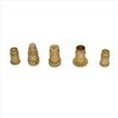
Machined parts are mechanical components that are manufactured and processed using a variety of mechanical processing tools, mostly using techniques that do not involve chemical processes (or reactions are very small). Manual processing and numerical control processing are the two primary types in machining.
When we talk about processing different materials manually, we mean using tools like milling machines, lathes, drilling machines, and saws that require manual operation by personnel with mechanical skills. Small batch and straightforward part manufacture are good candidates for manual processing.
The term "numerical control machining" (CNC) describes how mechanical professionals utilize numerical control machinery to process materials. Machine centers, turning and milling centers, wire EDM equipment, thread cutting machines, etc. are some examples of this numerical control equipment. Continuous processing of workpieces during CNC machining makes it ideal for processing huge numbers of components with complicated forms.
Technical Requirements for Machining:
1. Tolerance requirements
(1) Unfilled shape tolerances must adhere to GB1184-80 specifications.
(2) The unmarked length dimension has a tolerance of 0.5mm.
(3) The rough casting's fundamental size arrangement is symmetrical to the casting tolerance zone.
2. Requirements for cutting workpiece
(1) Parts must be examined and approved in accordance with the procedure; they may only go on to the next phase after passing its inspection.
(2) Burrs are not permitted on the pieces that have been treated.
(3) When placing the finished pieces, the required support and protective measures should be adopted. The finished parts should not be set directly on the ground. The treated surface cannot have flaws like rust, moth, lumps, or scratches that impair functionality, lifespan, or attractiveness.
(4) Roll the completed surface; the roll-out process must be free of peeling.
(5) Following heat treatment in the last step, there shouldn't be any scale on the surface of the pieces. It is not recommended to anneal finished mating surfaces or tooth surfaces.
(6) The treated thread's surface cannot have flaws like black skin, lumps, chaotic buckles, or burrs.