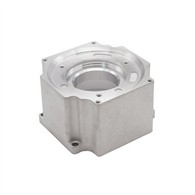


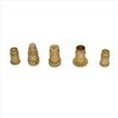

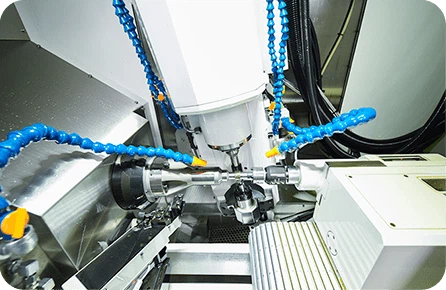
Longwin established in May 2006, has been a leading high-precision metal parts manufacturer for 17 years, with extensive OEM and ODM production experience. We specialize in the development and design of precision die-casting parts, CNC machining parts, and automatic lathe turning parts. Our capabilities include producing cylindrical products with diameters ranging from 1mm to 400mm and lengths ranging from 1mm to 1000mm. For non-cylindrical products, the length can range from 0.5mm to 1000mm, width from 0.5mm to 600mm, and height from 0.5mm to 600mm, with an accuracy of up to 0.002mm. In 2015, we developed a high-precision planetary gearbox for our customers. Our products are widely used in automotive controllers, servo motors, encoders, reducers, and robots. With a factory building area of 64,000 square meters, 600 employees, 500 CNC machining equipment, 16 die-casting machines ranging from 160 to 1250 tons, and 30 types of testing and measuring instruments, we are capable of providing you with high-quality precision metal parts, competitive prices, and excellent service.


Why choose us
High quality
Our products are manufactured or executed to very high standards, using the finest materials and manufacturing processes.
Professional team
Our professional team collaborate and communicate effectively with one another, and are committed to delivering high-quality results. They are capable of handling complex challenges and projects that require their specialized expertise and experience.
Long warranty
The long-term warranty is designed to give consumers more confidence that their purchases and services will continue to be valid.
Rich experience
Dedicated to strict quality control and attentive customer service, our experienced staff is always available to discuss your requirements and ensure complete customer satisfactio

Aluminum motor housing, also called aluminum motor enclosure or aluminum motor shell, is a kind of machined aluminum extrusion. The aluminium motor housing is mainly used as a motor body to protect internal devices.
Benefits of Aluminum Motor Housing
Chemical stability, non-magnetic, can be repeated recycling, is a benign and recyclable metal materials. Elasticity coefficient is small, collision friction can not afford sparks, only the best performance in the car process.
There is a good extension of performance, with a lot of metal elements can be made of light alloy, material quality. Aluminum motor shell plasticity, good production, for the production of a very good advantage.
Aluminum material without metal pollution, no toxicity, the surface oxide layer is not volatile metal. Aluminum housing has good thermal conductivity and electrical conductivity, outstanding performance in short distance transmission
Aluminum compared to other commonly used metal density is small, light weight, density is only 2.70 g / cm3, copper or iron 1/3. Using a hot, cold two kinds of process, a strong corrosion resistance.
Types of Aluminum Motor Housing


Open drip proof (ODP)
These motors used to be the standard. Now technicians are realizing the limitations of an open enclosure. This type of enclosure allows air to flow through the motor, so particulates are easily introduced. Bearings, rotors, and windings are open to contaminants that can cause a myriad of issues. These enclosures are resistant to liquids entering the machine from a 0-15o angle. These motors should only be used in an environment free from airborne contaminants.
Totally enclosed fan cooled (TEFC)
For these types of enclosures, you will want a cast iron frame as opposed to a rolled steel frame, to help cool the motor and keep the frame from twisting. Air comes through an external fan at the end bell and blows over the motor, keeping the inside clean. The air in the motor recirculates and is cooled by heat transfer through the frame. These are now the standard for motor enclosures in most applications.
Totally enclosed air over (TEAO)
This motor enclosure has no fan. It is used in applications where it already gets plenty of air, such as in the plenum of an AC/Heating system. This is a dust-tight enclosure.
Totally enclosed non-ventilated (TENV)
This enclosure only uses conduction and convection for cooling. These enclosures are usually used on motors 10 HP or below because the heat produced by these motors can dissipate more easily than higher horsepower applications. The motors in these enclosures are usually designed with a low temp rise so a fan is not required. This is not an airtight motor enclosure, so it needs to be used in a clean air environment.
Totally enclosed force ventilated (TEFV)/ totally enclosed blower cooled (TEBC)
These motors usually run at slower speeds with high torque. They utilize a constant speed fan to cool the motor. This way the motor gets enough air flow even when speed is low. External air is forced into the motor through an external fan through air ducts connected directly to the motor to make sure that there is no exchange of internal air with external air. Both TEFV and TEBC enclosures are used in applications where motors are on VFDs and run at slow speeds. Here, a fan on the shaft of the motor would not provide adequate cooling.
Weather protective 1 (WP1)
These enclosures are similar to ODP enclosures. They have additional screens installed to prevent entrance of large particles of debris. These are suitable for most indoor protected areas that are relatively clean.
Weather protective 2 (WP2)
While similar to WP1 enclosures, these have the addition of ventilation passages with no less than 3 abrupt changes in direction of 90o or more, in cooling air direction. They also include an area of lower air velocity where larger particles can drop out before entering the motor. These enclosures are suitable for outdoor applications where winds up to 100 mph could drive rain at the motor.
Totally enclosed air to air cooled (TEAAC)
These enclosures use heat exchangers and fans. The internal air is driven through a heat exchanger with a blower. External air is circulated through the heat exchanger by another blower which removes the heat from the circulating internal air. No exchange of internal and external air occurs.
Totally enclosed water to air cooled (TEWAC)
TEWAC enclosures run like TEAAC enclosures, but external circulating air is replaced by water to remove heat from the heat exchanger. These applications are usually used for larger refiner motors.
Explosion proof (XP)
These enclosures are meant to be used in hazardous locations. They are cast iron and manufactured in a way that ensures that the motor frame will not rupture or burst. They are enclosed in such a way to withstand an internal explosion. These enclosures have a class designation that indicates what type of hazardous environment it can be placed in:
Class 1: Used in applications where combustible gas or vapors are present.
Class 2: Used in application where there are combustible or electrically conductive dusts.
Class 3: Used in applications where there are easily ignitable fibers around; such as sisal, hemp, cocoa fiber, oakum, or other materials.
Industrial-grade aluminum alloy is the material used to create Aluminum Motor Housings. It is preferred due to its strenuous resistance to corrosive forces, and adequate material density. Aluminum alloy enclosures are also less porous and prevent any sort of damage due to surface coarseness. It also ensures a remarkably low level of noise during operation. Aluminum motor housings are lightweight, have high tensile strength, and are sturdy options for protecting internal machine parts and components. They are rigorously tested and perfected to provide substantial heat distribution and superior thermal conductivity. In addition, they also have more polished and sleek appearances compared to cast aluminum. Our professionals craft a diverse variety of aluminum motor shells for a multitude of industrial uses.
Application of Aluminum Motor Housing
Aluminum motor housing in automotive industry
One of the most significant applications of aluminum motor housing is in the automotive industry. With the rise of electric vehicles (EVs) and hybrid vehicles, motor designers are looking for ways to reduce weight and improve thermal management. Aluminum motor housing provides a lightweight and durable solution for this challenge. The use of aluminum motor housing has allowed for a reduction in weight, which has improved the vehicle's handling and responsiveness. Furthermore, the material's ability to conduct heat away from the motor also results in improved reliability. By using aluminum motor housing, motor designers in the automotive industry have been able to improve motor performance, efficiency, and reliability. Has allowed for a reduction in weight, which has improved the vehicle's handling and responsiveness.
Aluminum motor housing in aerospace industry
The aerospace industry also uses aluminum motor housing in various applications, including aircraft engines, satellite propulsion systems, and space launch vehicles. The high strength-to-weight ratio of aluminum motor housing makes it an ideal material for aerospace applications. The use of aluminum motor housing has allowed for a reduction in weight, which has improved the engine's performance and fuel efficiency. The material's corrosion resistance also makes it ideal for use in harsh environments. Aluminum motor housing has become an essential material in the aerospace industry, where weight reduction and reliability are critical.
Industrial machinery and consumer electronics
The use of aluminum motor housing is not limited to the automotive and aerospace industries. It is also used in a variety of industrial machinery and consumer electronics applications. For instance, power tools, home appliances, and computer peripherals all use motors that could benefit from aluminum motor housing. The material's thermal management properties allow for better heat dissipation, reducing the temperature of the motor and improving its lifespan.
The process of designing and Aluminum Motor Housings involves a series of steps. Initial design takes into account several factors, including the size and type of motor, operating conditions, thermal management requirements, and any specific customer needs. Once the design is finalized, manufacturing processes such as casting, machining, or injection molding (for plastic housings) are implemented. The manufactured motor housings then undergo rigorous testing and quality checks to ensure their durability and fit for purpose.

Outer shell
The outer shell is the main body of the housing, which encases the entire motor assembly. It is usually made from a sturdy aluminum alloy to provide structural rigidity and protection against environmental factors such as dust, moisture, and physical impacts. The design of the outer shell includes features like mounting flanges, cable glands, and vents to accommodate installation and cooling needs.
End bells
Also known as end caps or covers, these components are attached to either end of the motor housing. They seal off the ends of the housing and often contain components like bearings, shaft couplings, and drive belts. End bells can also serve as mounting points for additional accessories such as fans or sensors.
Fan and cooling system
Many motor housings incorporate a fan and duct system to aid in cooling. The fan draws air over the motor to dissipate heat generated during operation. Some designs may include a shroud around the fan to direct airflow over critical areas of the motor.
Ventilation slots/grills
To promote airflow and heat dissipation, vents or grills are strategically placed on the housing. These openings allow air to enter and exit while preventing larger particles or debris from entering the motor.
Seals and gaskets
Seals and gaskets are used to ensure that the motor housing is airtight and watertight. They prevent contaminants from entering the housing and keep lubricants contained within the motor. O-rings, lip seals, and gasket materials are commonly used for these purposes.
Mounting brackets
Mounting brackets or feet are attached to the housing to secure the motor to its operating platform. The design of the mounting brackets must accommodate the motor's weight and vibrational characteristics to ensure stability during operation.
Access ports
Access ports or hatches are provided to allow maintenance personnel to access the interior of the housing. These ports can be sealed with removable covers or latches.
Insulation
Electrical insulation may be included within the housing to prevent short circuits and ensure safe operation. Insulating materials such as ceramics, mica, or thermoplastic tapes can be used for this purpose.
Cable entry points
Cable entry points are designed to allow wires and cables to connect to the motor while maintaining the integrity of the housing. These points may include grommets or sealing boots to protect the cables from environmental damage and to prevent ingress of contaminants.
Bearing support
If the motor housing includes integrated bearings, it will have bearing supports or housings to hold the bearings in place and provide proper alignment for the motor shaft.
Fasteners
High-strength screws, bolts, and nuts are used to assemble the motor housing and attach it to the mounting brackets. These fasteners must be capable of withstanding the operational torque and vibrations without loosening.
Identification plates
Labels or plates are affixed to the housing to provide information about the motor, such as model number, voltage, current, and other relevant specifications.
How to Maintain Aluminum Motor Housing
- Inspect the housing for any signs of damage, such as dents, cracks, or corrosion.
- Check for wear and tear on seals and gaskets, which can lead to leaks or exposure of internal components to the environment.
- Ensure that all fasteners are tightened and undamaged; loose or corroded fasteners can compromise the integrity of the housing.
- Clean the motor housing regularly using a soft cloth and non-abrasive cleaners to remove dirt, grease, and grime.
- Avoid using harsh chemicals that could damage the finish of the aluminum.
- For tougher deposits, use a mild solvent or a specialized aluminum cleaner, then rinse thoroughly with water and dry completely.
- Protect the aluminum housing from corrosive environments by applying a suitable corrosion inhibitor or paint specifically designed for aluminum surfaces.
- In marine or highly corrosive environments, consider using sacrificial anodes to protect the aluminum from galvanic corrosion.
- Ensure that the motor housing has adequate ventilation to dissipate heat effectively.
- Keep the cooling system (if present) clear of obstructions to maintain proper airflow.
- Inspect fans and cooling ducts regularly to ensure they are functioning correctly.
- Check the insulation of any electrical components within the housing for signs of damage or wear.
- Ensure that all cable entries are properly sealed and free of damage to prevent moisture ingress.
- Verify that all connections are secure and free from corrosion.
- Apply lubricant to moving parts, such as bearings, according to the manufacturer's recommendations.
- Use a high-quality, non-corrosive lubricant suitable for aluminum and the specific operating conditions.
- Store the motor housing in a clean, dry area when not in use to prevent rust and corrosion.
- Cover the housing with a protective cover if it will be exposed to the elements.
- Keep records of all maintenance activities, including dates, inspections, repairs, and replacements.
- Note any unusual observations or issues that arise during maintenance.
- Disconnect power before performing any maintenance on the motor housing.
- Wear appropriate personal protective equipment (PPE), such as gloves and safety glasses.
- Follow all safety procedures and guidelines provided by the motor manufacturer.
How to Choose Aluminum Motor Housing
Operating environment
The operating conditions greatly influence the choice of motor housing. Environments with extreme temperatures, high humidity, or corrosive elements require housings made from materials that can withstand such conditions.
Motor type and size
The type and size of the motor will determine the size and shape of the housing. Larger and more powerful motors typically require robust and thermally efficient housings.
3Cost
The cost of the material and manufacturing process can also influence the choice of motor housing. While some materials may offer superior performance, they may also be more expensive, influencing the overall cost of the motor.
4Weight
In certain applications, such as in automotive or aerospace, the weight of the motor housing can significantly impact the performance and efficiency of the system.
One of the critical roles of a aluminum motor housing is in thermal management. During operation, motors generate heat due to electrical and mechanical losses. Proper dissipation of this heat is crucial to prevent overheating and maintain the motor's efficiency and longevity. The material and design of the aluminum motor housing, including aspects like surface area and ventilation, play a significant role in heat dissipation.
Certifications


Our Factory
Founded in May 2006. It is a high-tech enterprise focusing on R&D, manufacturing and sales of industrial, automation and vehicle core components.
The current processed products cover automation FA, robots, servo motors, encoders, automobiles , medical, high-speed rail and other fields.


FAQ
Hot Tags: aluminum motor housing, China aluminum motor housing manufacturers, suppliers, factory, aluminium low pressure die casting, die casting alloys aluminum, aluminum injection die casting, aluminium alloy for pressure die casting, aluminum low pressure die casting, casting aluminium alloy