


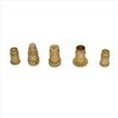
What parts are made on a milling machine?
Introduction:
A milling machine is a versatile and powerful tool used in various industries for machining different materials. It is capable of performing a wide range of operations, including cutting, drilling, and shaping. In this article, we will explore the different parts that can be made on a milling machine. From simple components to intricate parts, a milling machine plays a crucial role in manufacturing and production processes.
The Basics of a Milling Machine:
A milling machine is a machine tool used to remove material from a workpiece by feeding the workpiece against a rotating cutter. It operates using rotary cutters to remove material, creating complex shapes and designs. The machine consists of several key components that work together to achieve precise and accurate results.
1. Base: The base is the foundation of a milling machine. It provides stability and support to the machine. Typically made of cast iron, the base is heavy to minimize vibrations during operation.
2. Column: The column is a vertical structure that stands on the base. It holds the milling head and provides support for various movements in a vertical plane.
3. Knee: The knee is a vertically adjustable saddle that moves the worktable up or down. It is mounted to the column and allows for vertical movement of the workpiece.
4. Milling Head: The milling head is the upper part of the machine that houses the cutting tool. It can be moved horizontally and vertically, allowing for precise positioning of the cutter.
5. Spindle: The spindle is a rotating shaft that holds the cutting tool. It is driven by the milling machine''s motor and provides the power necessary for cutting operations.
Types of Parts Made on a Milling Machine:
A milling machine can produce a wide range of parts, ranging from simple to complex. The versatility of this machine makes it suitable for various industries and applications. Let''s explore some of the parts that can be made on a milling machine.
1. Simple Components: Milling machines can easily produce simple components like brackets, plates, and flanges. These parts are often used in construction, automotive, and aerospace industries. With the right tooling and programming, these components can be accurately machined to meet specific requirements.
2. Gears: Gears are essential mechanical components used in many machines and devices. Milling machines can produce various types of gears, including spur gears, helical gears, and bevel gears. The precise cutting capabilities of a milling machine ensure excellent gear tooth profiles and accurate dimensions.
3. Molds: Milling machines are commonly used in the production of molds for plastic injection molding and other manufacturing processes. The machine can accurately create complex mold cavities, allowing for the efficient production of plastic components.
4. Prototypes: Milling machines are often used in the rapid prototyping process. They can quickly produce parts from various materials, allowing engineers and designers to test and evaluate their designs before mass production. This saves time and cost in product development.
5. Customized Components: Milling machines enable the production of customized components tailored to specific requirements. From intricate designs to specialized parts, the machine can accurately machine a wide range of materials, including metal, plastic, and wood.
Advantages of Using a Milling Machine:
The use of a milling machine offers numerous advantages in the manufacturing industry. Let''s explore some key benefits:
1. Precision and Accuracy: Milling machines are known for their high precision and accuracy. They can achieve tight tolerances and produce parts with excellent surface finishes. This ensures the quality and reliability of the components produced.
2. Versatility: Milling machines are versatile tools that can perform a wide range of operations. They can not only remove material but also create features like holes, slots, and threads. This versatility eliminates the need for multiple machines, resulting in cost savings and increased productivity.
3. Efficiency: Milling machines are efficient in terms of both time and resources. They can remove material quickly, reducing cycle times and increasing productivity. Additionally, the ability to program and automate the machine allows for continuous operation and reduces the need for manual labor.
4. Complex Machining: Milling machines are capable of complex machining operations, such as 3D contouring and multi-axis machining. This allows for the production of intricate parts and complex geometries that would be challenging to achieve using other machines.
5. Cost-effectiveness: Despite their initial investment cost, milling machines offer long-term cost savings. They can produce parts in large quantities, reducing per-unit costs. Additionally, the ability to retool and reprogram the machine for different parts makes it a cost-effective solution for various production requirements.
Conclusion:
From simple components to complex parts, a milling machine is an indispensable tool in the manufacturing industry. Its versatility, precision, and efficiency make it suitable for a wide range of applications. Whether it is producing gears, molds, prototypes, or customized components, a milling machine plays a vital role in shaping various industries. As technology continues to advance, the capabilities of milling machines are expected to further improve, revolutionizing the manufacturing processes of the future.